It is important to remember that creating a strong strategy is not a one-size-fits-all. Finding what works best for you may take some trial and error. But by following the ideas outlined in this blog, with more study and experience, you can create an exercise program that addresses your specific needs and goals. A pedometer is a simple and inexpensive way to motivate yourself to exercise.

Create a routine.
But forming a consistent habit aimed at achieving specific goals is a different story. Once you get serious about sliding heavier weight plates onto that barbell, you’ll want to develop a weekly workout schedule. Tracking your progress is essential for staying motivated and reinforcing your commitment.
Studies show that people who schedule their routines are more successful at maintaining consistency. This approach makes exercise feel less like an optional activity and more like an essential appointment. #2) If you want an exact roadmap for working out consistently, check out NF Journey. Our fun habit-building app tells you exactly what days to exercise, what days to rest, and helps you track it all so you know if it’s working for you.
Schedule Workouts Like Appointments
You will see results even if you consistently train only 30 minutes at a time 2-3 times a week. You start a new program, crush it for a week or two, then life hits, motivation dips, and you take a few days off. Then you feel defeated and either start over or change to something else. Everyone hits plateaus, but how you respond makes the difference. Switching up your exercises every 3-5 weeks can re-energize your routine and re-sensitize your body to progress. For example, swap regular squats for goblet squats or Bulgarian split squats.
Why Consistency Is Key: How to Build Habits for Long-Term Fitness Success
As such, you need to choose a workout frequency you can stick to. There is no point doing five workouts one week and just one the next. Even if you adopt these habits, at some point, you will be forced to miss a workout. Unfortunately, life sometimes throws you unavoidable curveballs that mess with even the best-laid plans.
Consistent exercise helps strengthen muscles and joints, reducing the risk of injury. Regular training improves flexibility, balance, and coordination, which are essential for preventing accidents and enhancing overall physical resilience. Regular training enhances performance by gradually increasing strength, stamina, and skill.
This myth is both scientifically incorrect and practically catastrophic for workout consistency. We are biologically wired to regulate our behaviour improving workout discipline in response to social observation, social expectation, and social belonging. This fundamental aspect of human psychology is one of the most powerful and underutilised consistency tools available to anyone building a workout routine. Kaushik Bose at Bose Fitness ensures every client tracks their workouts in a format that provides both accountability and motivational momentum.
Wake up at the same time and go to bed at the same time every day.
- And wishes are universally defeated by the entropy of a busy, demanding life.
- In this article, I share a full body workout routine that consists of 6 main exercises, plus one bonus add-on you customize based on your weak points.
- Calorie Burn TrackerWhether you’re dancing, walking, or doing chores, every movement is tracked.
- During these times, remind yourself of your goals and why you started.
- If you can build a fitness routine that you look forward to, rather than dread, you’re making great progress.
- Let’s explore the science-backed benefits of exercise consistency that make consistency the true secret weapon of sustainable fitness.
It’s easy to get lost in random exercises without a workout plan. With proper planning and structure, you get clarity of exercises and a schedule. Studies show that consistent exercise improves cardiovascular health, muscle tone, and mental well-being. The body adapts to regular activity by increasing metabolism and improving muscle memory.
Step-by-Step: How to Build a Consistent Workout Routine from Scratch
It powers every lift, sprint, and explosive move by recycling your body’s ATP for more energy, faster recovery, and lean muscle growth. Beyond the gym, it supports focus and clarity under stress or fatigue. Soreness, or Delayed Onset Muscle Soreness (DOMS), is a natural part of the process, especially when starting a new routine.
One of the simplest ways to stay consistent with your workouts is to treat them like any other daily habit, like brushing your teeth, brewing coffee, or walking your dog. The goal is to make exercise something your mind expects, not something you have to negotiate with yourself each day. If you are training for an endurance event, you might flip that. The key is to ensure you aren’t so exhausted from one that your form suffers in the other. Supplementing with Hydrate or Die during these longer, mixed sessions can help maintain your stamina throughout. We also categorize exercises into compound and isolation.
Here are three ways that Nerd Fitness can help you exercise regularly:
Consider finding other people with fitness goals and sharing milestones or tips with each other to keep things fun. Life can introduce unexpected changes that impact fitness regimens. Flexibility in goal-setting is essential so that individuals can adapt without losing momentum. For example, if a new job limits workout time, adjusting goals to shorter, more intense sessions may be necessary. Being specific eliminates ambiguity, while measurability allows for tracking progress. Setting fitness goals that are both realistic and achievable is essential for sustained progress.
Set Realistic and Specific Goals
Push pull legs or upper and lower splits work well for most. Use progressive overload, good sleep, and enough protein to support growth. Kaushik Bose coaches Bose Fitness clients to aggressively challenge all-or-nothing thinking with evidence and self-compassion. A 20-minute workout is vastly superior to no workout, both physiologically and in terms of habit maintenance. A week with two missed sessions but four completed sessions is a successful week, not a failed one. Progress is cumulative and non-linear — the weeks you show up imperfectly matter enormously.
Use fitness trackers and apps to stay accountable
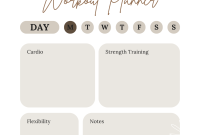
Researchers found that thorough preparation significantly boosts motivation and adherence to fitness routines. By setting out a workout calendar or journal, you create clear and realistic goals that provide accountability, helping to reduce decision fatigue. To support the high-intensity nature of strength training, we also focus on antioxidant support. Our Vitamin C supplement, which includes citrus bioflavonoids, helps support the body’s natural antioxidant activity and plays a role in collagen formation. It’s a simple addition to your morning routine that helps your body handle the oxidative stress that comes with hard training. When you are inside those strength sessions, how you perform the exercises is just as important as the exercises themselves.
Designing Your Exercise Plan
As a powerlifter, you should prioritize the squat, bench press, and deadlift. Similarly, an Olympic lifter should primarily train the snatch and clean & jerk. Everything else serves as accessories to help those moves get stronger. Sure, you want to bulk up, but is your real burning desire to deadlift 500 pounds?
Connecting with others who share similar goals encourages persistence and commitment. Consuming a combination of protein and carbohydrates before and after workouts helps replenish energy stores and aids recovery. For example, if you want to improve your one-rep max in particular lifts, aim to emphasize the specific exercises you’d like to get strong at.